
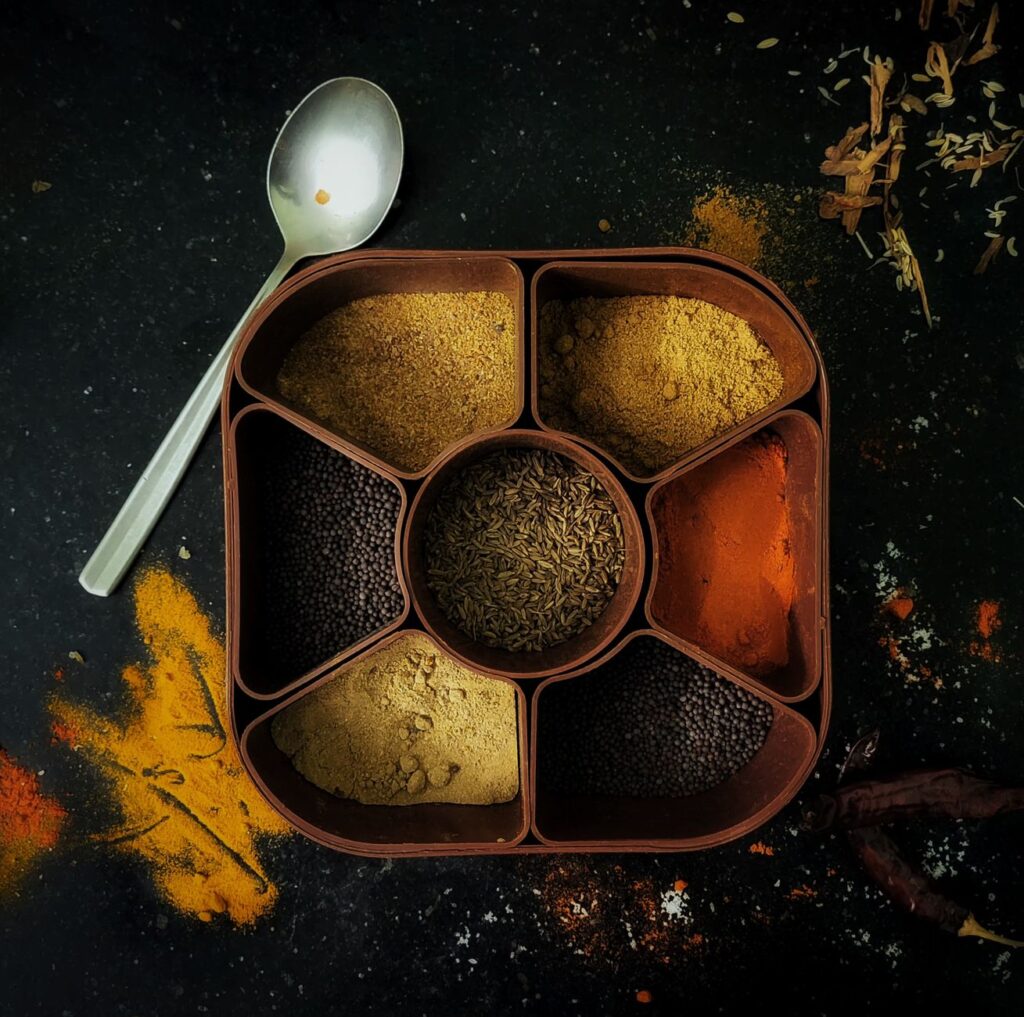
Ask any experienced Indian home cook what one kitchen essential they can’t do without, and the masala dabba — the humble spice box — will come up every single time. It’s the heart of Indian cooking. Whether it’s the turmeric for your dal, the jeera for your tadka, or the garam masala that brings your curry together, having your everyday spices organised, accessible, and fresh is the difference between effortless weeknight cooking and chaotic counter clutter.
But here’s the thing — masala dabbas and spice organisers have come a long way. The classic stainless steel 7-compartment box your grandmother used is still excellent, but there are now glass jar sets, rotating spice racks, wooden organisers, and stackable airtight containers that each solve different kitchen storage problems in different ways.
We’ve researched and compared the most popular masala boxes and spice organisers available in India in 2026. Here are the top 5 picks across different styles and budgets.
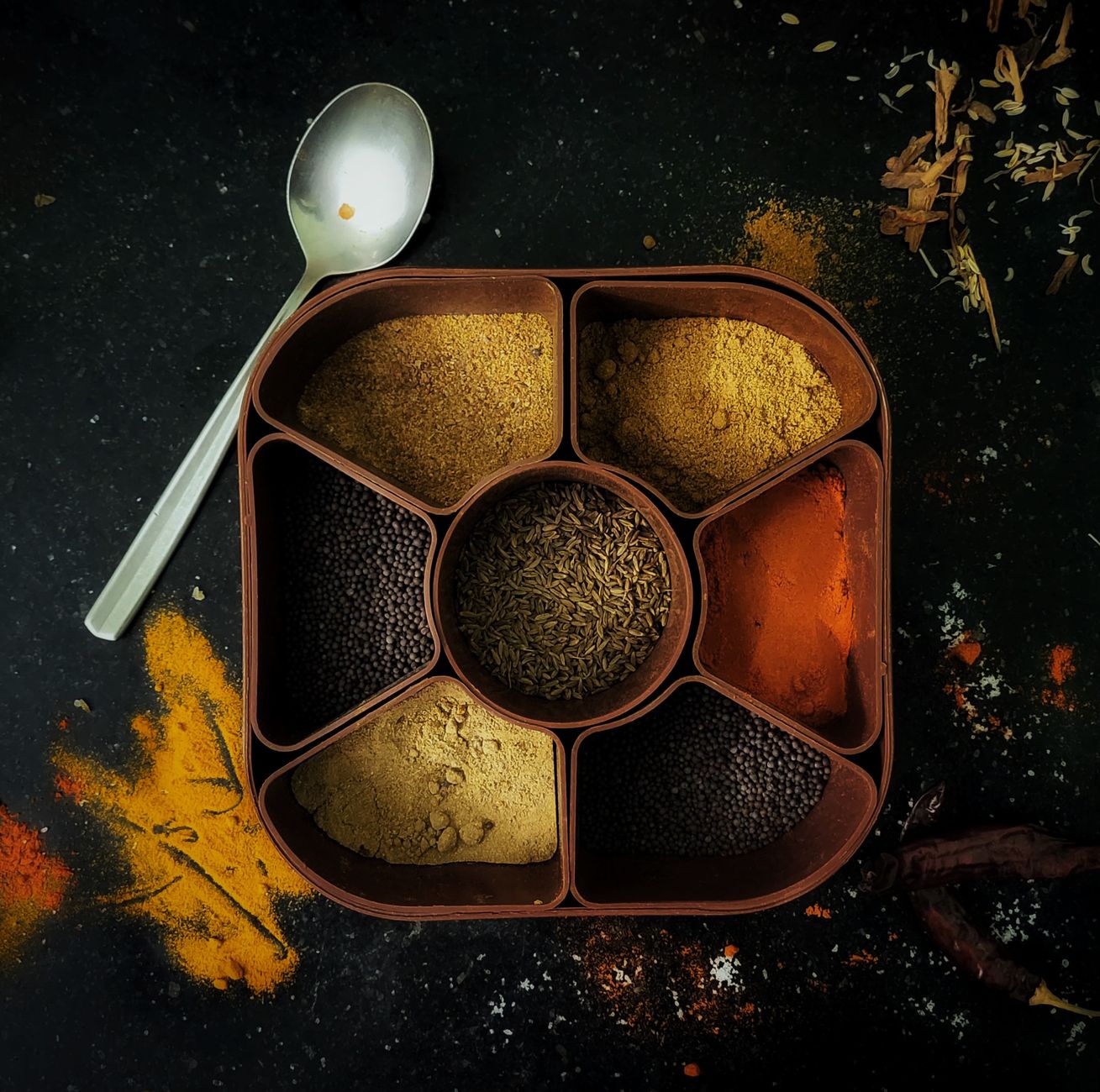
1. Classic Stainless Steel Masala Dabba (7-Compartment)
Sumeet / Hawkins-Style Stainless Steel Masala Dabba
Capacity: 7 individual spice compartments + 1 large outer container with an airtight lid. Available in sizes from 20cm to 28cm diameter. Typically comes with one or two small spoons.
Why we recommend it: This is the gold standard for a reason. Stainless steel keeps moisture and odour out, doesn’t retain colour from spices like turmeric, is dishwasher safe, and lasts decades with basic care. The 7-compartment design fits your daily-use spices (atta salt, red chilli, turmeric, coriander, cumin, garam masala, and one extra of your choice) in one organised, grab-and-go unit. If you grew up in an Indian kitchen, this IS the masala dabba.
2. Glass Spice Jar Set (12 or 24 Jars)
Borosil / Glasslock Glass Spice Jar Set
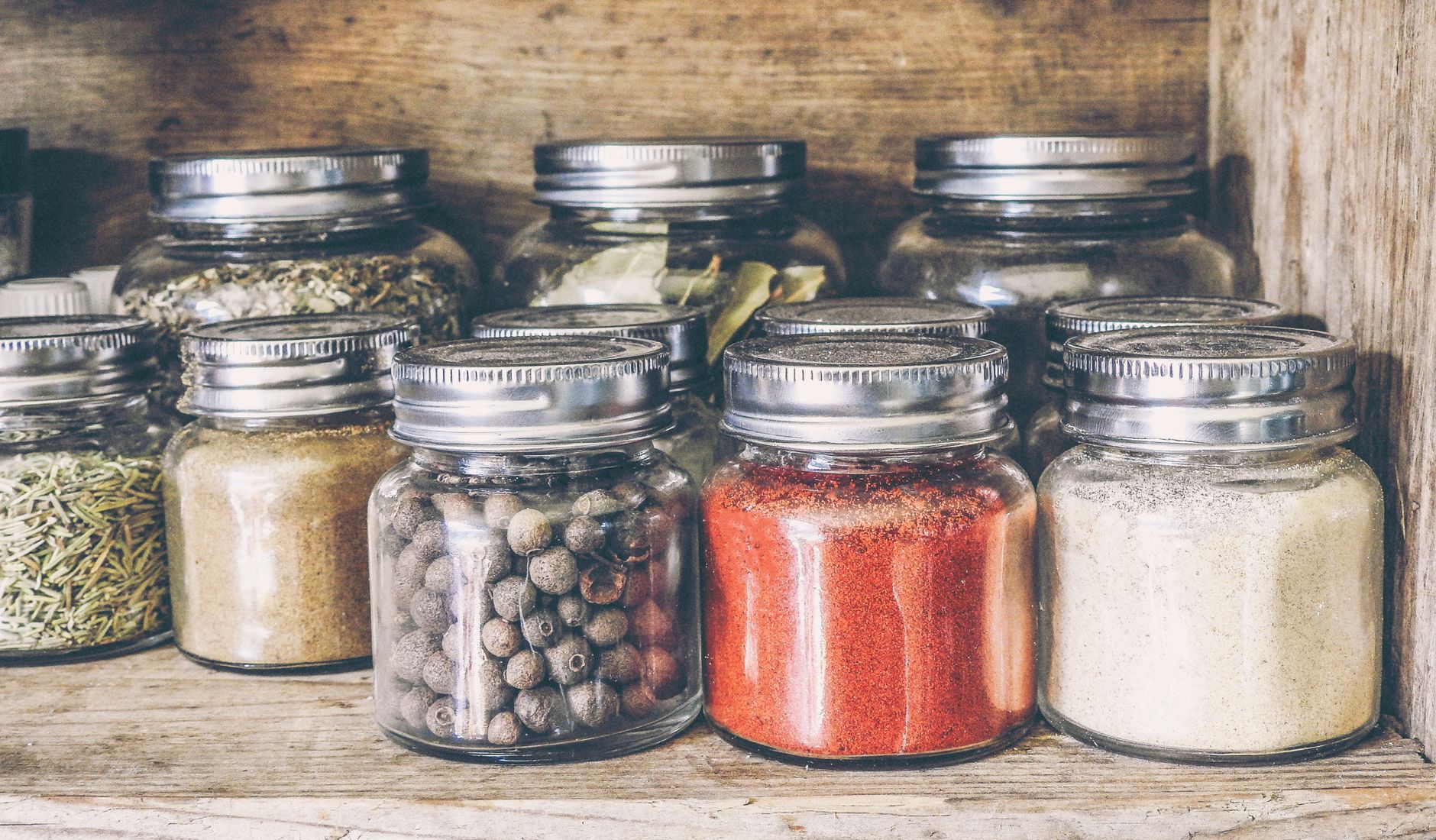
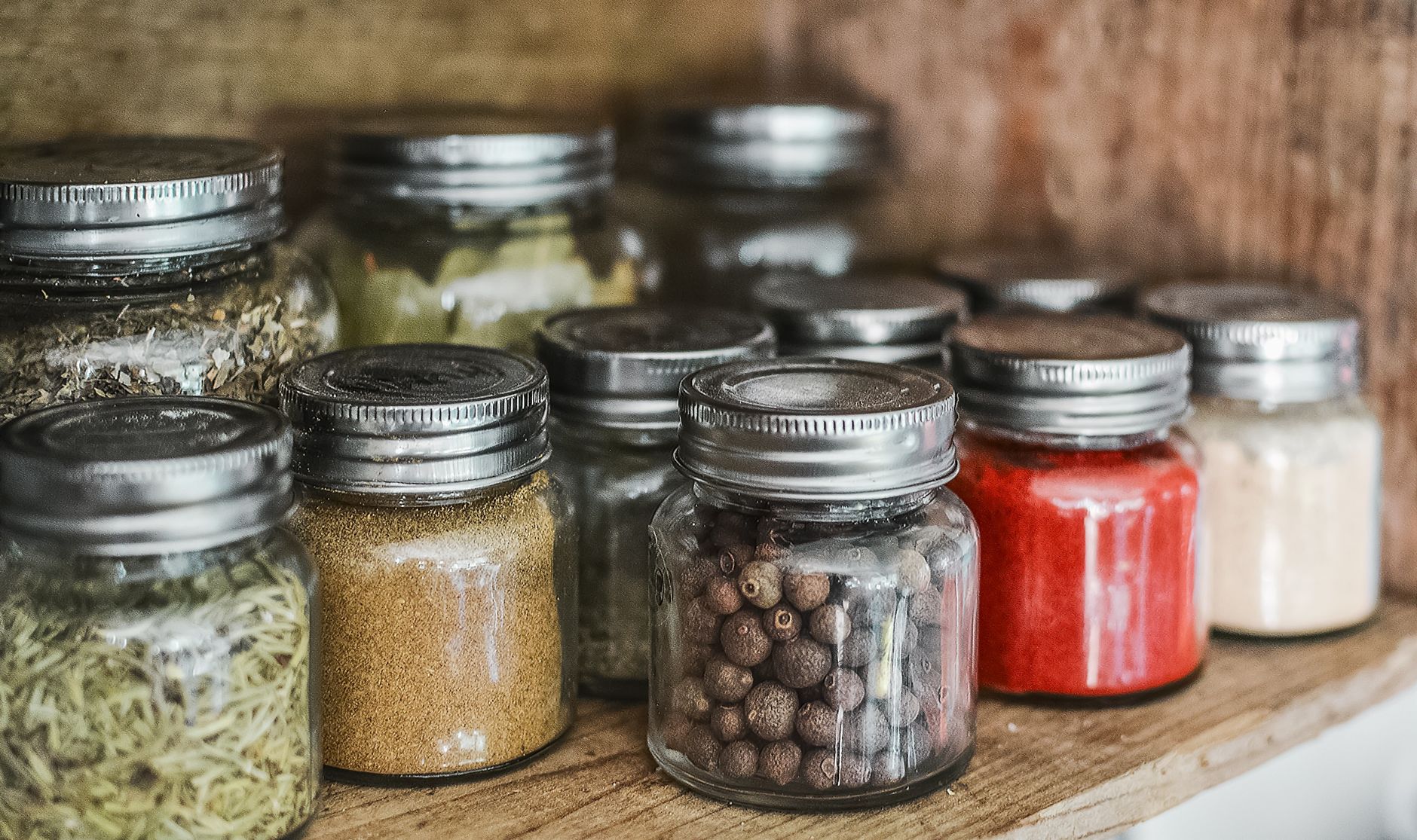
Capacity: Available in 12-jar (100ml each) or 24-jar sets. Typically come with chalk labels or a labelling sheet for identification. Lids are usually stainless steel or BPA-free plastic with airtight seals.
Why we recommend it: If you love a well-organised, aesthetically pleasing pantry or spice shelf, glass jars are the upgrade. You can see exactly what’s inside at a glance (no more opening to check if that’s cumin or ajwain), the glass doesn’t absorb odours or stains, and they look great on open shelving. They work especially well for less frequently used spices like star anise, bay leaves, or dried kasuri methi that you’d otherwise lose in a drawer or cabinet. Borosil’s glass quality is excellent for Indian kitchen conditions.
3. Airtight Transparent Plastic Spice Container Set
Cello / Tupperware-Style Airtight Spice Containers
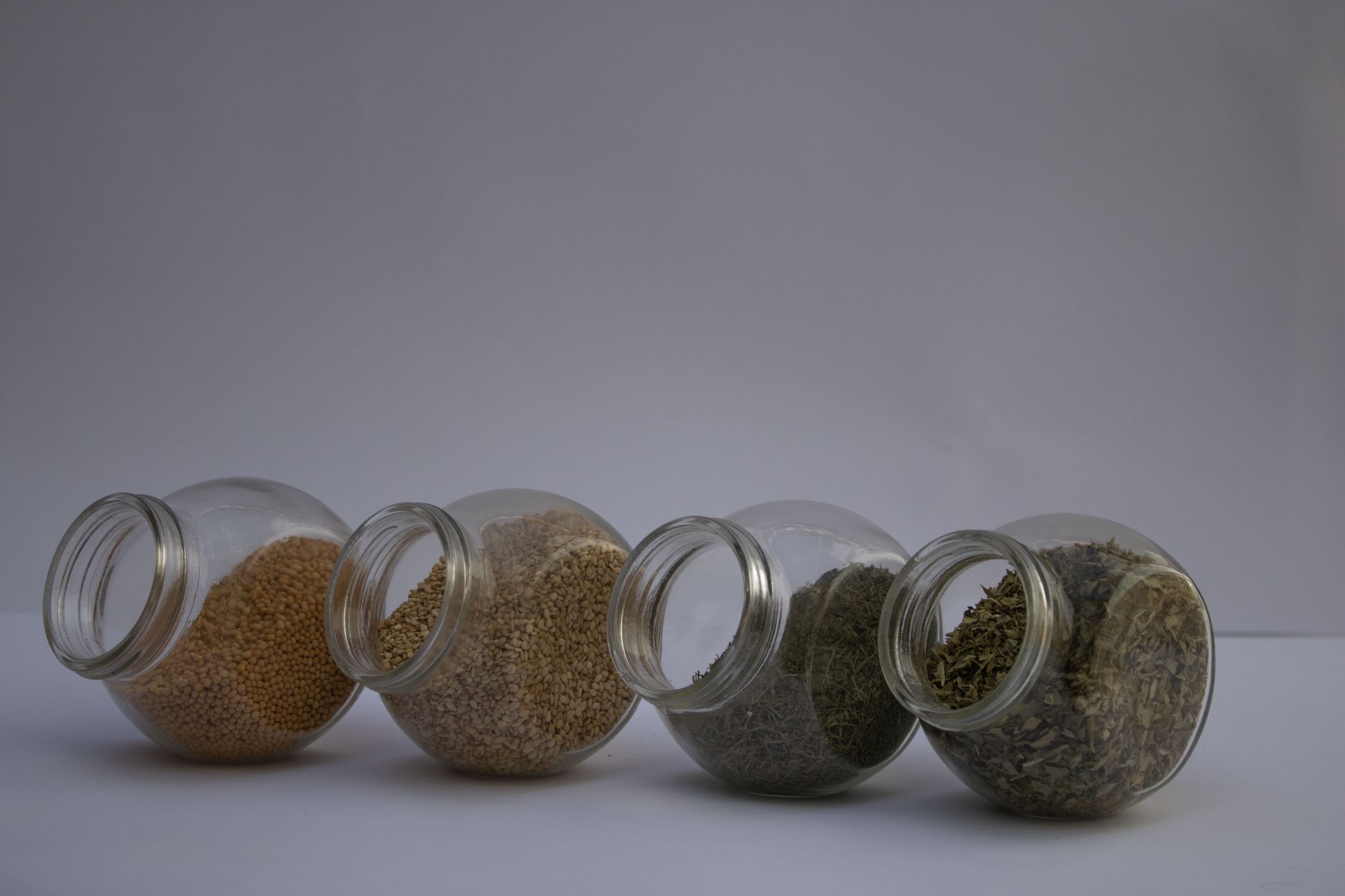
Capacity: Individual containers range from 150ml to 500ml. Usually sold in sets of 6, 12, or mixed sizes. Stackable design maximises cabinet or drawer space.
Why we recommend it: For Indian kitchens that store bulk spices bought from the weekly sabzi mandi or kirana store, transparent airtight containers are the most practical solution. They keep moisture out (critical during monsoon months), are lightweight, and their stackable design works beautifully in deep kitchen cabinets and drawers. Brands like Cello and Lock&Lock have proven durability in Indian kitchen conditions. BPA-free certification is worth checking on the product listing. These are also ideal for storing lentils, rice varieties, and other dry goods alongside spices.
4. Wooden Spice Box (Antique or Bamboo)
Bamboo or Sheesham Wood Masala Box
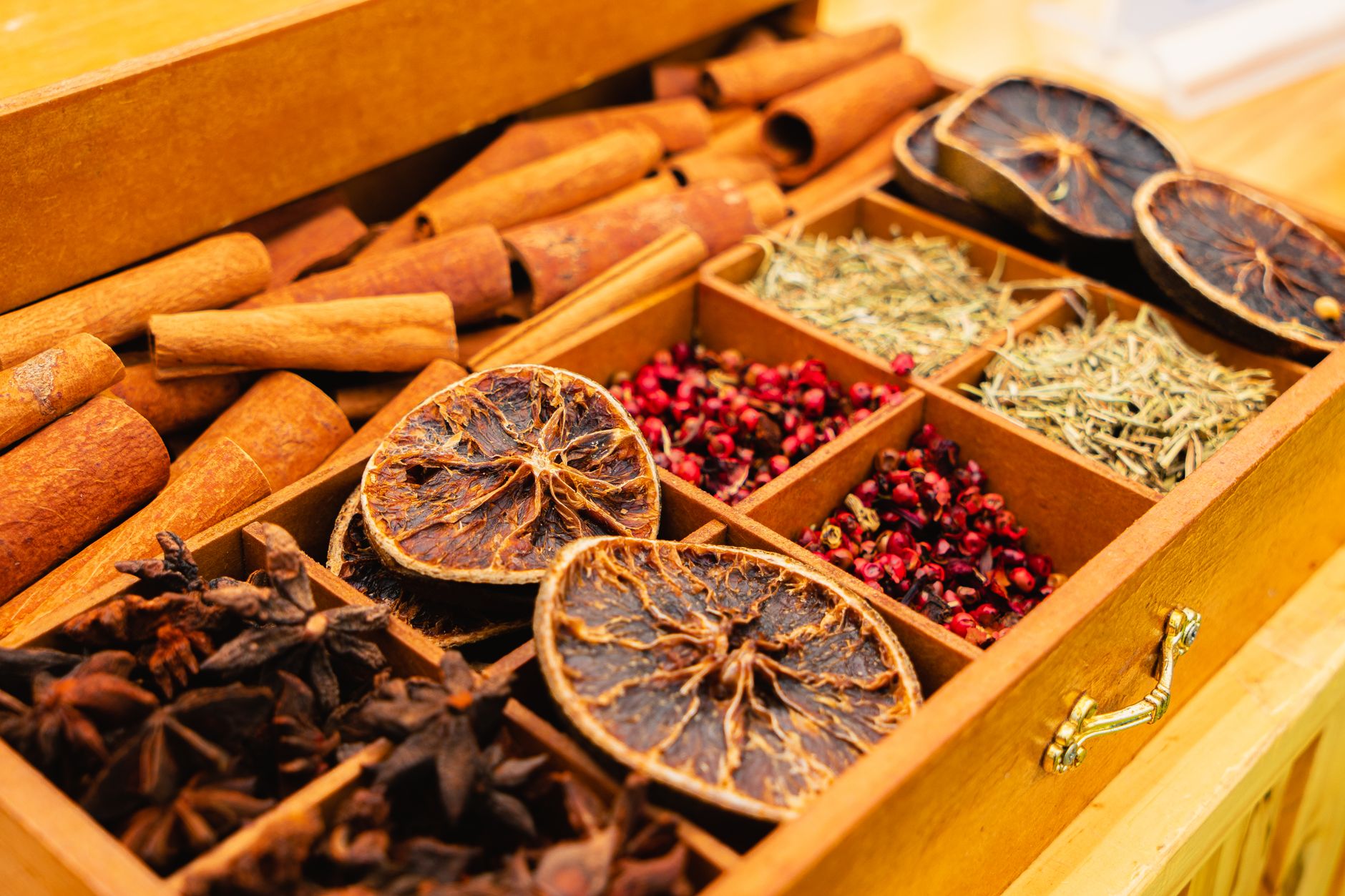
Capacity: Typically 6–9 compartments in an open or lidded box design. Some styles use removable glass or stainless steel inserts within a wooden frame.
Why we recommend it: If your kitchen aesthetic leans toward natural, earthy, or heritage — or you want something that doubles as a beautiful countertop display — wooden spice boxes are a standout choice. They’re especially popular for storing whole spices (cardamom, cloves, cinnamon sticks, star anise) that look beautiful displayed together. Bamboo variants are naturally antimicrobial and moisture-resistant when properly sealed. Sheesham (Indian rosewood) boxes have a rich, traditional quality that ages beautifully. Best suited for whole spices rather than powders, as powders can get into wood grain over time.
5. Rotating Countertop Spice Rack
360° Rotating Spice Rack (16–24 Slots)
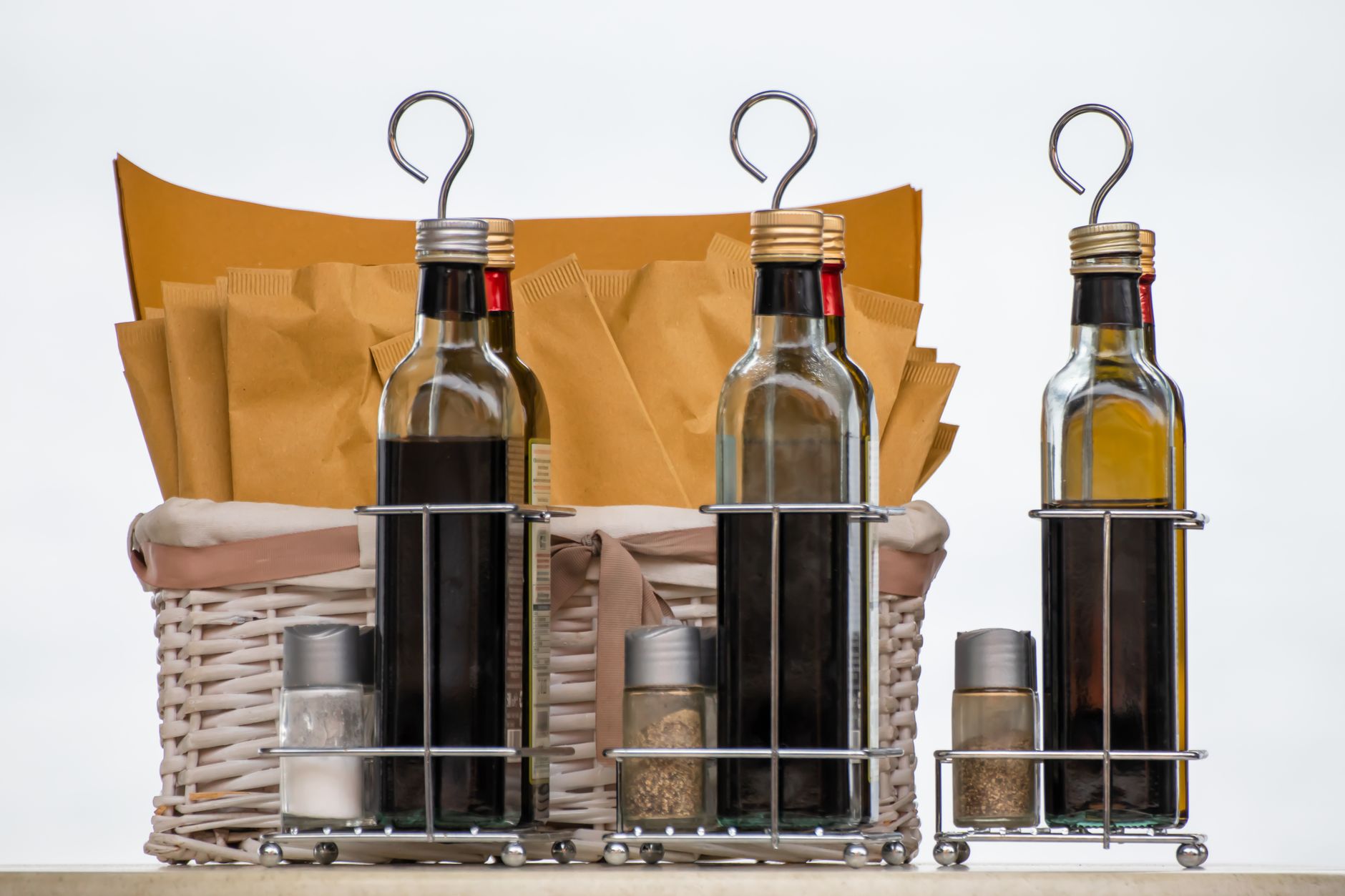
Capacity: 16 to 24 spice bottle slots on a rotating lazy-Susan style base. Included spice bottles are usually 60–100ml glass or stainless steel. Fits bottles of various heights.
Why we recommend it: For Indian kitchens that cook with a wide variety of spices — both everyday masalas and more occasional ones — a rotating spice rack is a countertop organiser that gives you instant access to everything without rummaging through a cabinet. The 360° rotation means you can see and reach any spice without moving anything else. Steel and chrome variants are especially durable in Indian kitchens where heat and steam are constant. These work particularly well in medium to large kitchens with counter space. Many include labelling stickers and a funnel for filling.
How to Choose the Right Spice Organizer for Your Kitchen
Not every option works for every kitchen. Here’s a quick guide to match the right type to your situation:
- Small kitchen with limited counter space: Stainless steel masala dabba — everything in one compact unit that stores in a cabinet.
- Open shelving or Instagram-worthy pantry: Glass jar sets look beautiful and practical together on open shelves.
- Large spice collection (20+ varieties): Rotating spice rack on the counter, combined with airtight containers for bulk storage in the pantry.
- Monsoon-prone region (high humidity kitchen): Prioritise airtight containers — moisture ruins powdered spices faster than anything else.
- Traditional kitchen aesthetic: Wooden or steel masala dabba. They’re timeless.
Tips to Keep Your Spices Fresh Longer
Whichever organiser you choose, these habits will extend your spice freshness significantly:
- Always use a dry spoon: Moisture introduced into a spice container degrades quality fast. Keep a dry spoon next to your masala dabba.
- Store away from the stove: Heat causes spices to lose potency more quickly. Even a counter a foot away from the burner is better than directly next to it.
- Buy in smaller quantities for expensive spices: Cardamom, saffron, and some masala blends are better bought in small quantities more frequently than in bulk.
- Label everything: Especially important for powdered spices that look similar (coriander vs. cumin powder, for example).
- Check expiry on pre-ground spices: Most powdered spices retain flavour for 12–18 months. Whole spices last longer — up to 4 years in airtight storage.
Our Top Pick Overall
If we had to pick just one for a typical Indian kitchen, it’s the classic stainless steel masala dabba. It’s the most practical, durable, and culturally intuitive way to organise your daily cooking spices. Pair it with a small set of airtight glass jars for your less-frequently-used spices and your kitchen storage is sorted.
For kitchens with larger spice collections and counter space, the rotating spice rack is the most convenient upgrade — especially if you’re cooking elaborate meals regularly.
Disclaimer: As an Amazon Associate, I earn from qualifying purchases. Prices and availability are subject to change. Links on this page are affiliate links.