Finding a good smart TV under ₹20,000 in India has never been easier — or more confusing. You’ve got Redmi, Samsung, TCL, VU, and OnePlus all fighting for the same price point, each with their own OS, picture quality, and after-sales reputation. So which one actually wins in 2026?
I’ve researched and compared the top options available right now on Amazon India and Flipkart to help you make the right call. Here are the 5 best smart TVs under ₹20,000 you can buy in India today.
1. Redmi Smart TV X40 — Best Overall Pick
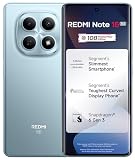
The Redmi X40 is the benchmark for this price range. It packs a 40-inch 4K display, runs on Android TV 11, and is backed by Xiaomi’s solid after-sales network across India. If you’re looking for one TV to recommend to someone without overthinking it, this is it.
Pros
- 40-inch 4K display with good colour accuracy for the price
- Android TV 11 with Google Assistant, Chromecast, and access to 5,000+ apps
- Dolby Vision and HDR10+ support — rare at this price
- Regular OTA software updates from Xiaomi
- Xiaomi’s service network is the strongest in India at this price range
Cons
- Bloatware and ads on the home screen are annoying (can be disabled)
- Sound quality is mediocre — budget soundbar recommended if you care about audio
Price: ₹17,999 – ₹19,499 | Check Price on Amazon →
2. TCL 43S5400A — Best Bang for Buck (43 Inches!)
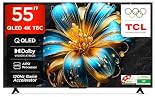
TCL is quietly becoming India’s favourite value TV brand, and the 43S5400A is the reason why. You’re getting a 43-inch Full HD smart TV under ₹20,000 — a screen size that most brands don’t even offer at this price. It runs Android TV 11, supports Google Assistant, and the picture quality is genuinely impressive for everyday streaming on Hotstar, Netflix, and YouTube.
Pros
- 43-inch screen at under ₹18,000 — the best screen-size-to-price ratio on this list
- Android TV 11 with built-in Chromecast
- Good motion handling for sports and cricket — important for Indian viewers
- Decent 20W speaker output with Dolby Audio
Cons
- Full HD (not 4K) — matters if you sit close to the screen or plan to upgrade soon
- TCL’s service centres are fewer than Xiaomi or Samsung in tier-2/3 cities
Price: ₹16,999 – ₹18,499 | Check Price on Amazon →
3. Samsung Crystal 4K Neo 32″ — Best Premium Brand Pick
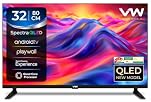
Samsung is the aspirational brand in Indian living rooms, and the Crystal 4K Neo 32″ brings that brand credibility to the under-₹20,000 bracket. At 32 inches, it’s smaller than the TCL and Redmi options, but Samsung’s Tizen OS is arguably the smoothest and most reliable smart TV platform available in India right now.
Pros
- Tizen OS is fast, stable, and receives the longest software support of any brand on this list
- Samsung’s service network is excellent — fastest turnaround times for repairs in India
- PurColor display technology delivers punchy, saturated colours for Indian skin tones and content
- Best resale value if you upgrade in 2–3 years
Cons
- 32 inches feels small by 2026 standards — especially if you’re upgrading from a 40″+ TV
- Pricier than Redmi/TCL for smaller screen size
- App selection on Tizen is narrower than Android TV — some regional OTT apps are missing
Price: ₹18,499 – ₹19,999 | Check Price on Amazon →
4. OnePlus Y1S Pro 32″ — Best for OnePlus Ecosystem Users
If you’re already using a OnePlus phone, the Y1S Pro 32″ is an obvious choice. The connectivity between your OnePlus phone and this TV is seamless — you can mirror your screen, transfer content, and control settings without fumbling with settings menus. It runs Android TV 11 with OxygenPlay, which gives you a cleaner-than-average smart TV experience.
Pros
- Excellent OnePlus-to-OnePlus connectivity features
- Gamma Engine for better colour processing vs raw Android TV competitors
- Minimal bloatware compared to Redmi
- Solid build quality and remote design
Cons
- Service centres are limited in smaller cities — a concern for buyers outside metros
- 32-inch FHD resolution — not 4K
Price: ₹16,499 – ₹17,999 | Check Price on Amazon →
5. VU GloLED 43″ — Best Picture Quality for the Price
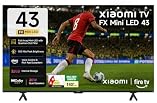
VU is an Indian brand that’s been quietly impressing buyers with punchy displays at aggressive pricing. The VU GloLED 43″ uses local dimming zones which most sub-₹20,000 TVs don’t offer, delivering noticeably better contrast — especially for night scenes in web series and movies.
Pros
- Local dimming gives noticeably better blacks vs flat-panel competitors at this price
- 43 inches at a very aggressive price point
- Made in India — generally faster warranty support
- ActiVoice remote supports multiple virtual assistants
Cons
- VU’s app support and software updates are inconsistent — less reliable than Samsung or Xiaomi over the long term
- UI can feel sluggish after 12–18 months of use
Price: ₹17,499 – ₹19,499 | Check Price on Amazon →
Quick Comparison: Best Smart TVs Under ₹20,000 in India
| TV | Screen Size | Resolution | OS | Best For |
|---|---|---|---|---|
| Redmi X40 | 40″ | 4K | Android TV 11 | Best overall |
| TCL 43S5400A | 43″ | FHD | Android TV 11 | Biggest screen |
| Samsung Crystal Neo | 32″ | 4K | Tizen | Premium brand |
| OnePlus Y1S Pro | 32″ | FHD | Android TV 11 | OnePlus users |
| VU GloLED 43″ | 43″ | 4K | Android TV | Best picture |
Who Should Buy Which TV?
- Buy the Redmi X40 if you want the safest, most balanced choice — good 4K display, reliable software, and the strongest service network in India.
- Buy the TCL 43S5400A if screen size is your top priority and you stream mostly on Hotstar and YouTube — 43 inches under ₹18,000 is a deal that’s hard to beat.
- Buy the Samsung Crystal Neo if brand trust and long-term software support matter more than screen size — Tizen is the best smart TV OS in this segment.
- Buy the OnePlus Y1S Pro if you’re a OnePlus phone user who wants a seamless ecosystem — the phone-to-TV connectivity is genuinely useful in daily life.
- Buy the VU GloLED if picture quality for movies and web series is your priority — the local dimming makes a visible difference at this price range.
Note: Prices may vary on Amazon India and Flipkart. Always check both platforms before buying — the same TV is often ₹1,000–2,000 cheaper on one platform vs the other during sales.