
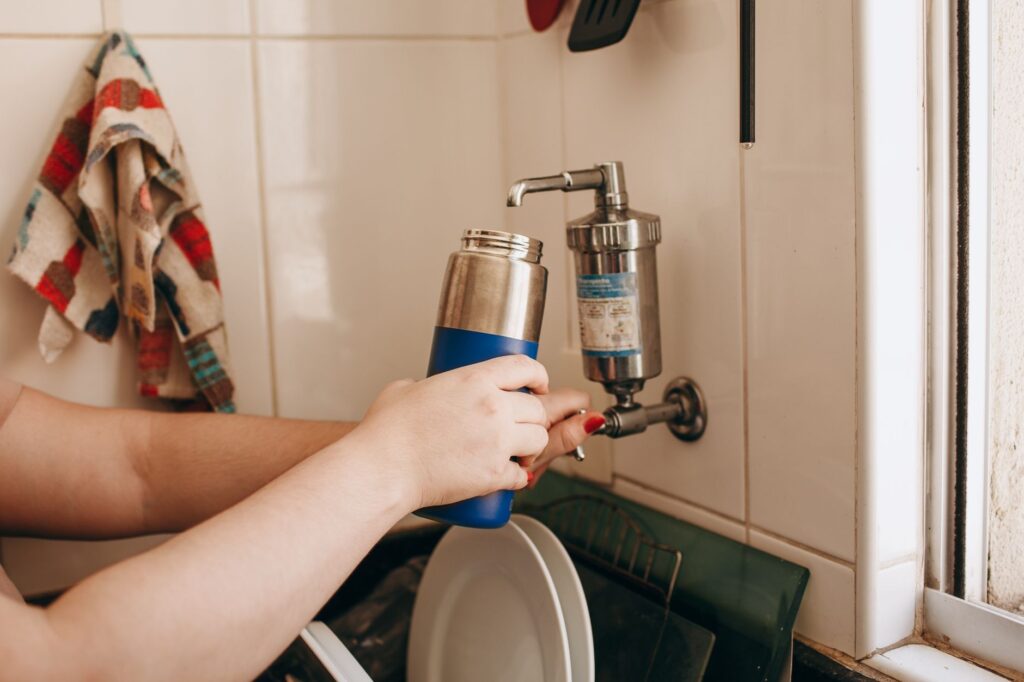
Drinking safe, clean water is something most of us take for granted — until we move to a new city, face monsoon season contamination scares, or simply wonder what’s actually coming through those taps. If you’ve been putting off buying a water purifier, 2026 is a good time to stop procrastinating. The options are significantly better than they were even a few years ago: quieter, smarter, with better recovery rates, and increasingly affordable.
In this guide, we’ve researched and compared the top water purifiers available in India right now — focusing on filtration technology, build quality, storage capacity, after-sales service, and overall value for Indian households.
RO vs UV vs UF: Which Technology Do You Actually Need?
Before we get to the picks, let’s clear up the alphabet soup. Most Indians face one of two main water quality issues: high TDS (Total Dissolved Solids) from borewells and municipal supply, or biological contamination from bacteria and viruses.
- RO (Reverse Osmosis): Removes dissolved salts, heavy metals, and most biological contaminants. Essential if your water TDS is above 300–400 ppm. Does reduce some essential minerals, which is why many modern RO purifiers add a mineraliser stage.
- UV (Ultraviolet): Kills bacteria and viruses effectively, but doesn’t remove dissolved solids. Works best when your source water TDS is low (under 200 ppm) — typically municipal water in metro cities.
- UF (Ultrafiltration): Removes suspended particles and some bacteria without electricity. Often combined with RO as a pre-filter stage.
- RO+UV: The gold standard for most Indian households, especially in cities with mixed municipal and borewell supply.
If you’re on corporation water in a metro (TDS typically 50–250 ppm), a UV-only purifier is often sufficient and more cost-effective. If you’re on borewell water or in a city with TDS above 300 ppm, you need RO. For most Indian households that are unsure, an RO+UV system with a TDS controller or mineraliser is the safest choice.
Our Top 5 Water Purifier Picks for Indian Homes in 2026
1. Kent Grand Plus — The Trusted Benchmark
Kent Grand Plus RO+UV+UF+TDS Controller
Filtration: 6-stage purification — Sediment Filter → Pre-RO Carbon Filter → RO → UV → UF → Post-RO Carbon Filter with TDS Controller
Storage: 8 litres
Technology: RO+UV+UF with integrated TDS controller that retains essential minerals
Why we recommend it: Kent is arguably the most recognisable water purifier brand in India, and the Grand Plus remains a solid all-rounder. The TDS controller blends a portion of filtered water with RO output to retain natural minerals — addressing the common concern about RO removing beneficial minerals. Widely available for servicing across Indian cities.
2. Aquaguard Enhance NXT — Reliable With a Wide Service Network
Aquaguard Enhance NXT RO+UV+MTDS
Filtration: RO+UV with Mineral Technology and MTDS (Mineral Technology with TDS Controller)
Brand: Eureka Forbes — one of India’s oldest and most-serviced purifier brands
Technology: Biotron cartridge claims to improve water taste; MTDS retains minerals
Why we recommend it: Eureka Forbes has one of the widest service networks in India — particularly important for annual maintenance contract (AMC) reliability. If after-sales service quality is a priority for you (it should be — filters need regular replacement), Aquaguard is a strong contender.
3. Livpure Glo Star — Good Value With Mineraliser
Livpure Glo Star RO+UV+Mineraliser
Filtration: Multi-stage RO+UV with a dedicated mineraliser stage that adds back calcium and magnesium
Storage: 7 litres
Technology: Includes a digital display showing purification status
Why we recommend it: Livpure is one of India’s fastest-growing water purifier brands and offers a good balance of features at a competitive price point. The dedicated mineraliser (rather than a simple TDS controller) is a step up in terms of mineral quality in the output water. Good choice for health-conscious buyers who prioritise mineral content.
4. Pureit Eco Water Saver — Best for Water-Scarce Areas
HUL Pureit Eco Water Saver RO+UV+MF
Filtration: RO+UV+Micro-filtration with a focus on water recovery efficiency
Brand: Hindustan Unilever (HUL) — one of India’s most trusted consumer brands
Technology: Designed to reduce RO water wastage, which is a significant concern with standard RO purifiers
Why we recommend it: Standard RO purifiers are notorious for wasting water — for every litre purified, several litres may go to drain. Pureit Eco Water Saver addresses this directly. If you live in a water-scarce city or are conscious about water wastage, this is the most responsible choice on this list. The HUL brand also provides reliable product quality and consistent availability of replacement cartridges.
5. AO Smith Z8 Plus Green RO — Premium All-Rounder
AO Smith Z8 Plus Green RO Water Purifier
Filtration: Multi-stage RO+UV with Side Stream technology for improved water recovery
Brand: AO Smith — an American brand with a strong India presence known for premium water solutions
Technology: Green RO technology claims higher water recovery; advanced pre-filtration stages
Why we recommend it: If you’re willing to spend more for a premium experience, AO Smith is the brand most Indian buyers turn to. Build quality is excellent, filter life tends to be longer, and the brand’s focus on water efficiency makes it a future-facing choice. Best suited for households in apartments where borewell or tanker water has high TDS and where water wastage is a concern.
Things to Check Before You Buy a Water Purifier in India
Test Your Water TDS First
Before spending money on a purifier, spend ₹150 on a TDS meter. Test your tap water. If it’s under 200 ppm, a UV+UF purifier is usually sufficient and cheaper to maintain. If it’s above 300 ppm, you need RO. Most metros have variable TDS depending on the source, so test at different times (especially post-monsoon when water sources change).
Installation and AMC Costs Matter
The sticker price is just the beginning. Water purifiers need annual filter replacements, which can cost ₹2,000–₹6,000+ per year depending on the model and service provider. Check the availability of local service engineers for the brand you’re buying, and factor in AMC costs when comparing models.
Storage Capacity
If you live in an area with frequent power cuts, a larger storage tank (8–10 litres vs 5–7 litres) ensures you always have purified water even when the purifier can’t run. For families of 3–4 people, 7–8 litres is generally adequate.
Installation Requirements
All the RO purifiers on this list require a drain connection for the reject water and a power outlet. Check that your kitchen can accommodate the plumbing before ordering. Most brands offer free installation — but confirm before purchasing.
Our Recommendation by Budget
- Mid-range: Livpure Glo Star or Kent Grand Plus — solid performance, wide service networks
- Water-saving priority: Pureit Eco Water Saver or AO Smith Z8 Plus Green
- Best service network: Aquaguard Enhance NXT (Eureka Forbes)
- Premium all-rounder: AO Smith Z8 Plus
Any of the five options above will significantly improve the quality of drinking water in your home. The right choice depends on your water source TDS, family size, budget, and how important after-sales service is to you. When in doubt, visit Amazon, read recent customer reviews (focusing on the service experience, not just the product), and check what’s actually deliverable and serviceable in your city.
Disclaimer: As an Amazon Associate, I earn from qualifying purchases. Prices and availability are subject to change. Links on this page are affiliate links.